The economic cooperation between China and Austria has a long and successful history. Back in 1956, with the signing of a first nongovernmental trade agreement, official economic relations between the two countries were established. The Austrian Federal Economic Chamber (Wirtschaftskammer Osterreich, WKO), which had recognized the importance of China as the central trading hub of Asia very early, concluded three Chamber agreements with the Chinese Council for the Promotion of International Trade (CCPIT) in 1964. WKO opened its first office in Beijing in 1966 (today: “Commercial Section of the Austrian Embassy”, also known under “ADVANTAGE AUSTRIA Beijing”) — a milestone in bilateral cooperation.
With the establishment of diplomatic relations in 1971, bilateral trade and economic cooperation gained momentum. The ADVANTAGE AUSTRIA Beijing office organized in 1974 an Austrian pavilion at a trade show with 74 Austrian companies participating which illustrated the early interest of Austrian business in working with Chinese partners. Many more fair participations and trade missions have followed since then.
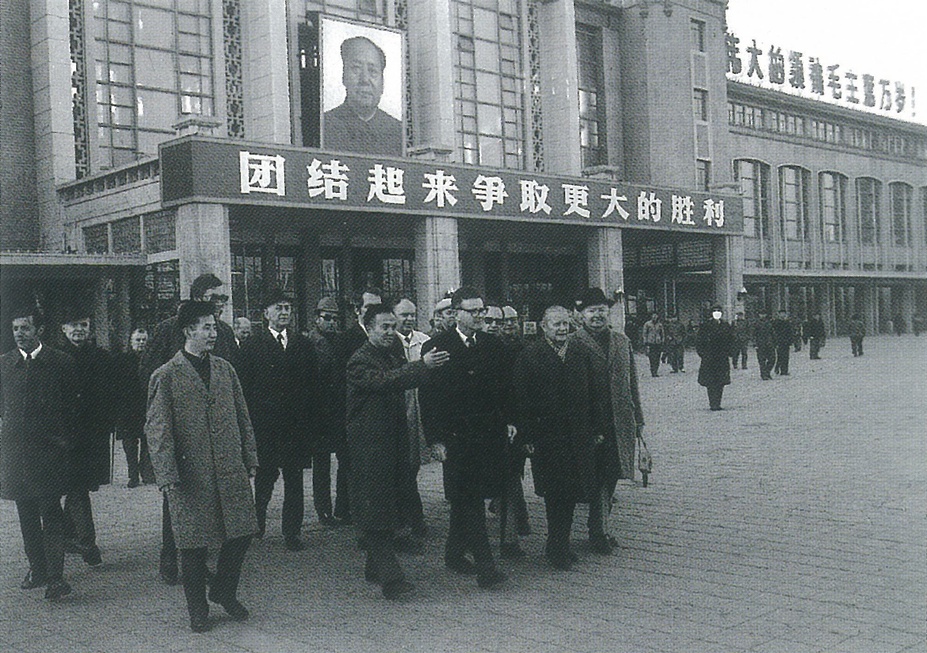
Arrival of Austria’s first Ambassador to China, Dr. Hans Thalberg, 1971 in Beijing
Austrian companies were quick in grasping opportunities and were able to realize major projects, especially in the field of mechanical engineering. One of the first large orders was the sale of a complete LD steel plant in 1967 by the company VOEST to Taiyuan (Shanxi Province). Among the pioneers of the Austrian economy in China were also the companies Elin and Voith, which implemented a project for the construction of the power plant Majitang (Hunan Province).
In 1998, the first direct flights between Vienna and Beijing were launched. Following China’s accession to the WTO in 2001 and the liberalization of trade in many sectors, bilateral trade has been developing strongly. More and more small and medium-sized businesses discovered the Chinese market and scored with high-tech products and innovative solutions, signed licensing agreements, started to work with local partnerships or set up operations in China. Numerous Austrian firms in China have contributed to the massive expansion of infrastructure and the manufacturing sector or have accompanied their customers to China as niche players and as part of value chains.
High-level visits and numerous delegation trips in both directions have contributed to deepening relations. During the state visit of Federal President Alexander Van der Bellen to Beijing in 2018, he was accompanied by the largest WKO business delegation ever to travel abroad. Relations between the two countries were elevated to the level of a “Friendly Strategic Partnership.” Agreements on investment protection, double taxation, and technical cooperation, as well as arrangements in the fields of railways, aviation, and healthcare, created legal certainty. City and provincial partnerships — the first established in 1983 between Linz and Chengdu — also promote exchange.
China is today Austria’s most important economic partner in Asia, the secondlargest country of origin for imports, and the ninth most important destination for exports. When measured from the year 2000 onward, bilateral trade has increased by a factor of twelve, reaching EUR 20.8 billion in 2024. Around 650 Austrian companies operate more than 900 subsidiaries in China and have invested over EUR 6.3 billion — clear evidence of confidence in the market and its prospects. In the opposite direction, around 100 Chinese companies have invested in Austria, often using the country as a hub for serving markets in Central and Eastern Europe.
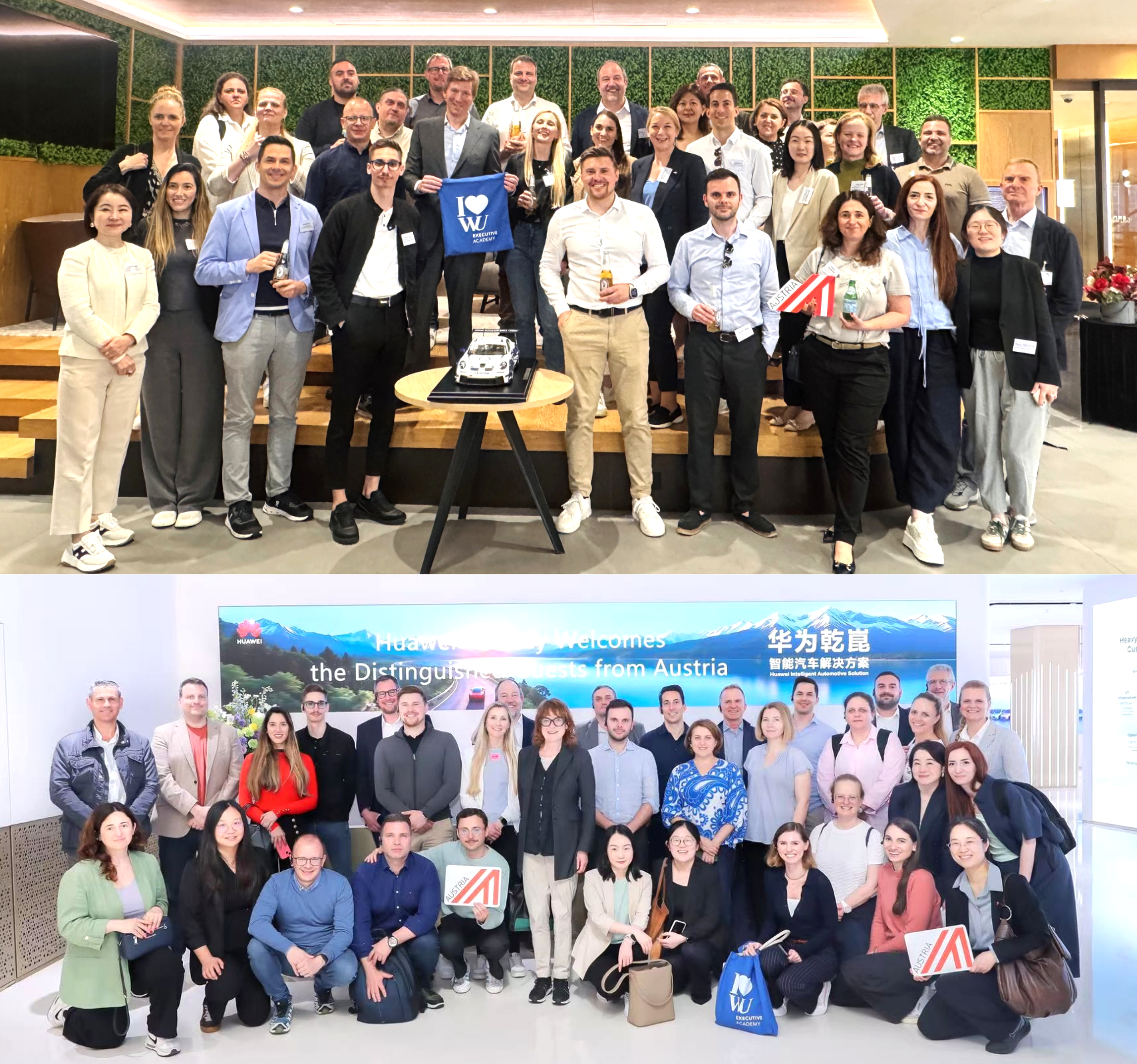
Business cooperation remains a key pillar of Austria–China relations, with opportunities in advanced manufacturing, green and urban technologies, healthcare and life sciences as well as in the consumer sector and in tourism and lifestyle. Austrian companies are optimizing value chains in China and Asia and are interested in third-market cooperation with Chinese partners, notably in Central and Eastern Europe.
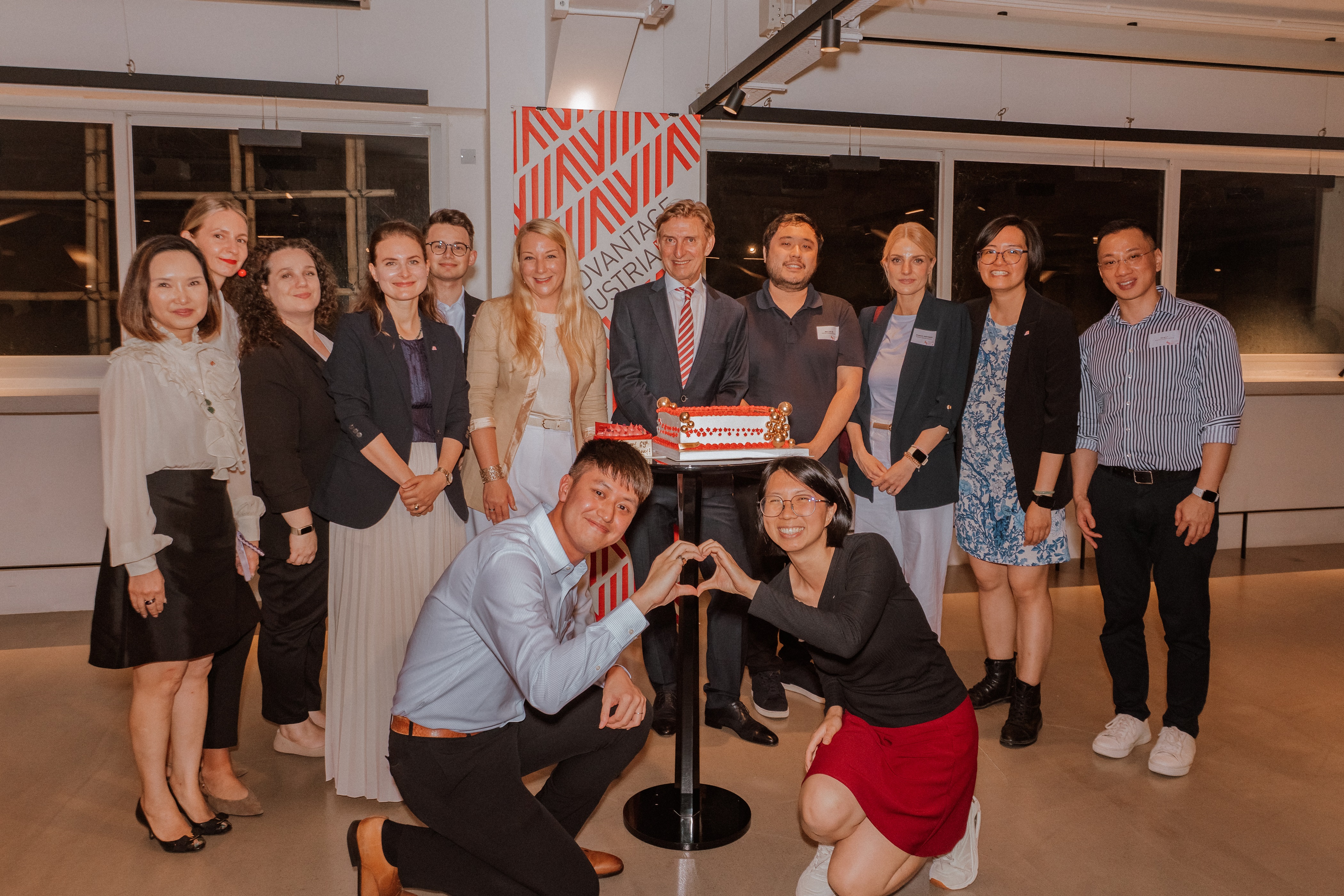
WKO has continuously expanded its ADVANTAGE AUSTRIA network and, alongside Beijing, established (among others) further offices in Shanghai (since 1994), Guangzhou (2007), Chengdu (2010), and continues to maintain a presence in Hong Kong (since 1961). WKO and the Austrian business community see themselves as reliable partners for China and support a balanced and mutually beneficial economic partnership.