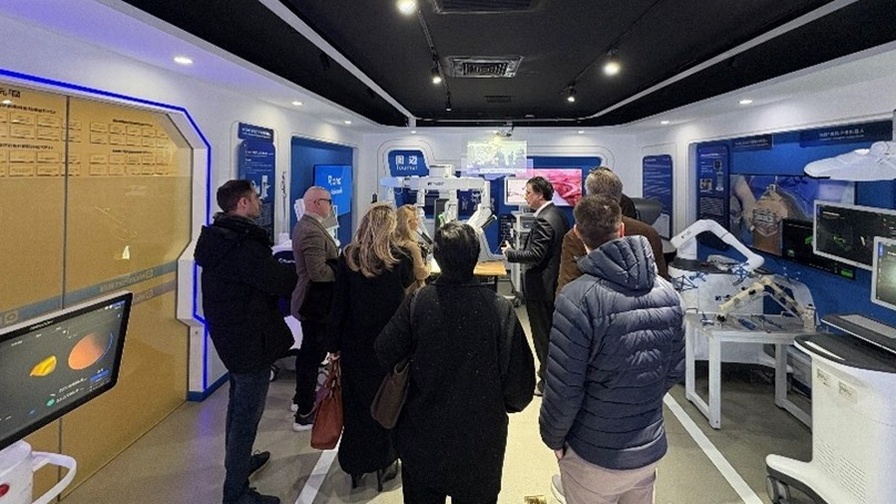
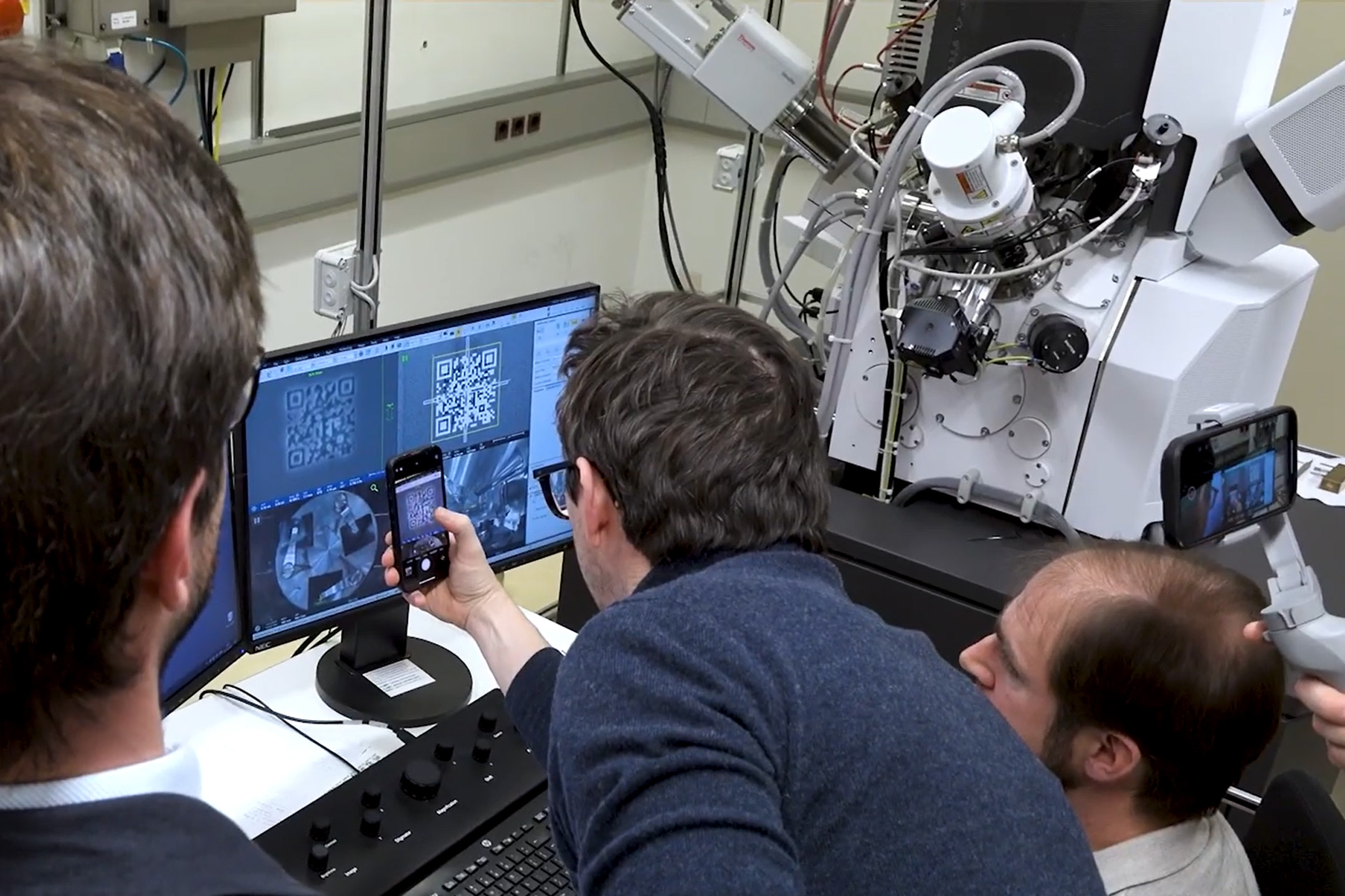
Macao is evolving from its initial identity as a gaming hub into a more varied economic center. The launch of the "1+4 Strategy" in 2023 marks a significant shift in its economy. This approach emphasizes the development of four emerging sectors, MICE (Meetings, Incentives, Conferences, and Exhibitions), Traditional Chinese Medicine (TCM), modern finance, and high-tech industries, while still focusing on travel and leisure. As the region becomes increasingly connected to the Greater Bay Area (GBA), which includes major cities like Hong Kong and Shenzhen, foreign investors are recognizing growth opportunities on the horizon for 2026.
Tourism and MICE: Building on a Strong Foundation for the Economy
Tourism remains a major component of Macao's economy, drawing millions of tourists each year and generating significant income through its integrated resorts and casinos, which are recognized as the largest gaming hub in the world. On the other hand, there are more growing efforts to diversify the economy, particularly in the MICE (Meetings, Incentives, Conferences, and Exhibitions) sector. The government is actively revitalizing historical areas like the A-Ma district and Rua das Estalagens by collaborating with casino operators to transform these locations into cultural sites that merge heritage with contemporary events. This initiative is opening up new opportunities for local businesses in event planning, hospitality, and entertainment. Additionally, Macao's prime location serves as an ideal base for both regional and international companies to host conferences aimed at the Greater Bay Area's (GBA) 87 million residents.
Traditional Chinese Medicine and Healthtech: Potential Growth Areas
As part of the "1+4 Strategy," Traditional Chinese Medicine is a new priority, with policies promoting research, production, and international collaboration. This intersects with healthtech opportunities in the GBA, where Macao serves as a testing ground for innovative medical solutions. Businesses in pharmaceuticals, wellness, and biotech can benefit from streamlined regulations and subsidies, positioning Macao as a bridge between Eastern traditions and global markets.
Finance and Investment: A Modernized Framework
Macao is actively establishing itself as an outstanding financial services hub in China by capitalising on its attractive tax policies, including low corporate tax rates and its strategic proximity to China. The introduction of the Investment Funds Law, set to take effect on January 1, 2026, aims to modernize regulations, aligning them with international standards that strengthen investor protection and facilitate a variety of fund structures. Additionally, the government is launching the Guidance Fund, a substantial initiative with a budget of 200 billion MOP, designed to channel social capital into emerging industries, technological innovations, and national strategic sectors such as artificial intelligence and industrial upgrades. This presents substantial possibilities for banking, insurance, and wealth management companies, particularly those aiming to leverage cross-border capital movements between China and Portuguese-speaking countries, utilizing Macao's distinctive platform.
Technology and Innovation: Fueling the Startup Ecosystem
In line with the 2026 Policy Report's focus on economic diversification and enhancing business environments, Macao is actively supporting tech startups through incentives and infrastructure development. Sectors such as healthtech, AI, IoT, and smart city solutions are gaining popularity, backed by the talent pool and resources of the GBA. Companies in this field will find it easier to access grants and support from incubators, and with assistance from the Commerce and Investment Promotion Institute (IPIM) for market entry, it becomes an ideal low-risk base for tech startups looking to expand into China.
Retail and SMEs: Incentives for Market Entry
The Scheme for Supporting the Development of Macao First-Store Economy will start its second phase, accepting applications on May 1, 2026. This program offers subsidies of up to MOP 1 million to international and regional brands looking to establish their first stores in Macao. Managed by IPIM, the initiative aims to stimulate local consumption and enhance community vibrancy by attracting over 20 brands in its initial phase. Additionally, SMEs can benefit from the SME Bank Loan Interest Subsidy Scheme, which runs through April 2026 and provides annual subsidies of up to 4% on working capital loans. Macao's business-friendly environment, efficient processes, and commitment to sustainable urban development further boost its attractiveness to foreign investors, particularly in the premium retail and education sectors.
Why Macao in 2026?
Macao's integration into the Greater Bay Area (GBA) offers new market opportunities and highlights a commitment to reforming public administration. As the region shifts from its gaming-centred past to more innovative ventures, there are great chances for overseas entrepreneurs to build sustainable businesses in one of Asia's most dynamic economies.
Our office (Austrian Trade Commission) is actively tracking developments in Macao and is available to assist with any market entry enquiries, as well as providing personal contacts and consulting services for Macao.