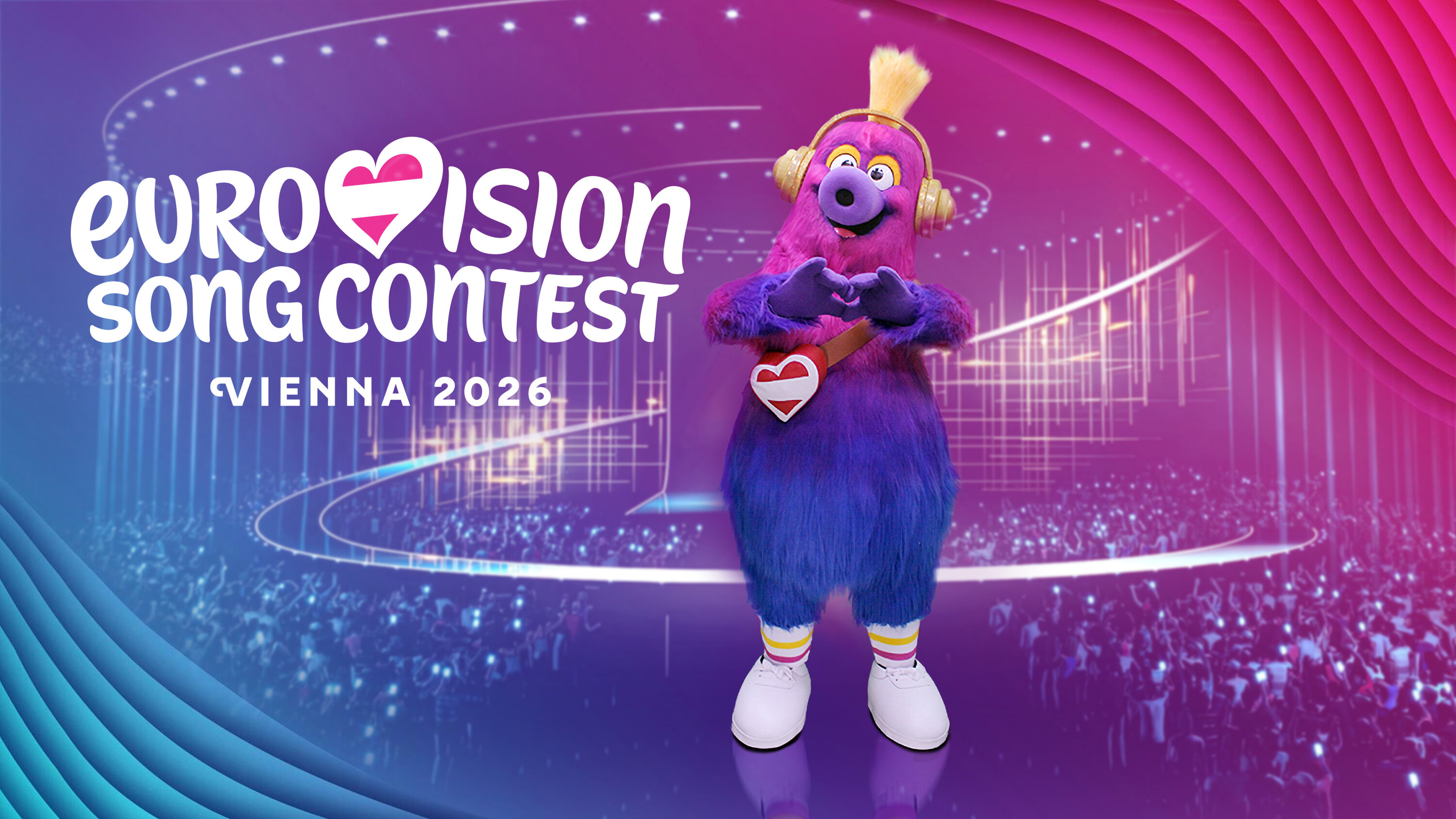
Every year, there’s dancing singing, betting, clapping, and – let’s be honest – even the occasional surprise: opinions about the Eurovision Song Contest (ESC) are as varied as the rich tapestry of participant countries and their representatives. The ESC is a major musical spectacle of sound and colour – and the world’s most widely broadcast TV event. The European Broadcasting Union (EBU), which runs the song contest, has been publishing the viewing figures for it since 2013, and some 180 millions viewers tune in every year – and that’s before you even count views on Youtube and the like, or interactions on a host of different internet platforms.
Millions of viewers all over the world enjoy a panoply of melodies, outfits and emotions every year, but what we are talking about here is not just taste in music – reading between the bar lines, as it were, there are economic aspects to consider such as how much the event costs and who stands to win or lose in terms of profit, image or harm. The Austrian entry performed by JJ (Johannes Pietsch) won the 2025 ESC in Basel, so the Eurovision Song Contest will be held in Vienna for the third time this year (after 1967 and 2015), which will also shine a spotlight on the economic effects of the ESC.
A study has investigated this in the run-up to the competition, anticipating positive uptake for restaurants and providers of overnight accommodation as well as in the events sector and its ancillary service providers. Anything up to 88,000 extra visitors to Austria are expected, triggering an estimated increase in demand for goods and services across the entire economy (including expenses for events) amounting to a total of €57 million. The direct effects caused by the ESC on Austria’s value chain derived from this are estimated at around €52 million. The cost to the public purse is expected to be around €31 million, so the ESC 2026 has the potential to add value of €1.70 for every euro invested by the state.
A mega-event like the ESC is a unique opportunity for the host venue to show itself off to the widest possible audience with the greatest media reach. Vienna has an international reputation as a city of music and is honoured to be the magnificent backdrop for the 70th Eurovision Song Contest. The ORF (Austria’s public broadcaster) will be simulcasting the show and the three live events are to be held in the Wiener Stadthalle arena. Construction has been ongoing there since the end of March, with 35 companies working at times round the clock to deliver and install 3,500 tons of equipment, including 27 cameras and 8,500 LED stage lamps that will cast the show in the best possible light. There are plenty of items on the agenda to be enjoyed all over Vienna and preparations are in top gear.
The 2016 Eurovision Song Contest also won the Charlemagne Award for European Media (Médaille Charlemagne pour les Médias Européens), which is awarded for services to integration and identity-building in Europe. The ESC has always striven to be an inclusive event, and its official motto, “united by music”, is intended to express togetherness, solidarity and tolerance.
ADVANTAGE AUSTRIA wishes every contestant and visitor a fantastic time at the 2026Eurovision Song Contest in Vienna between 10.05 and 17.05.